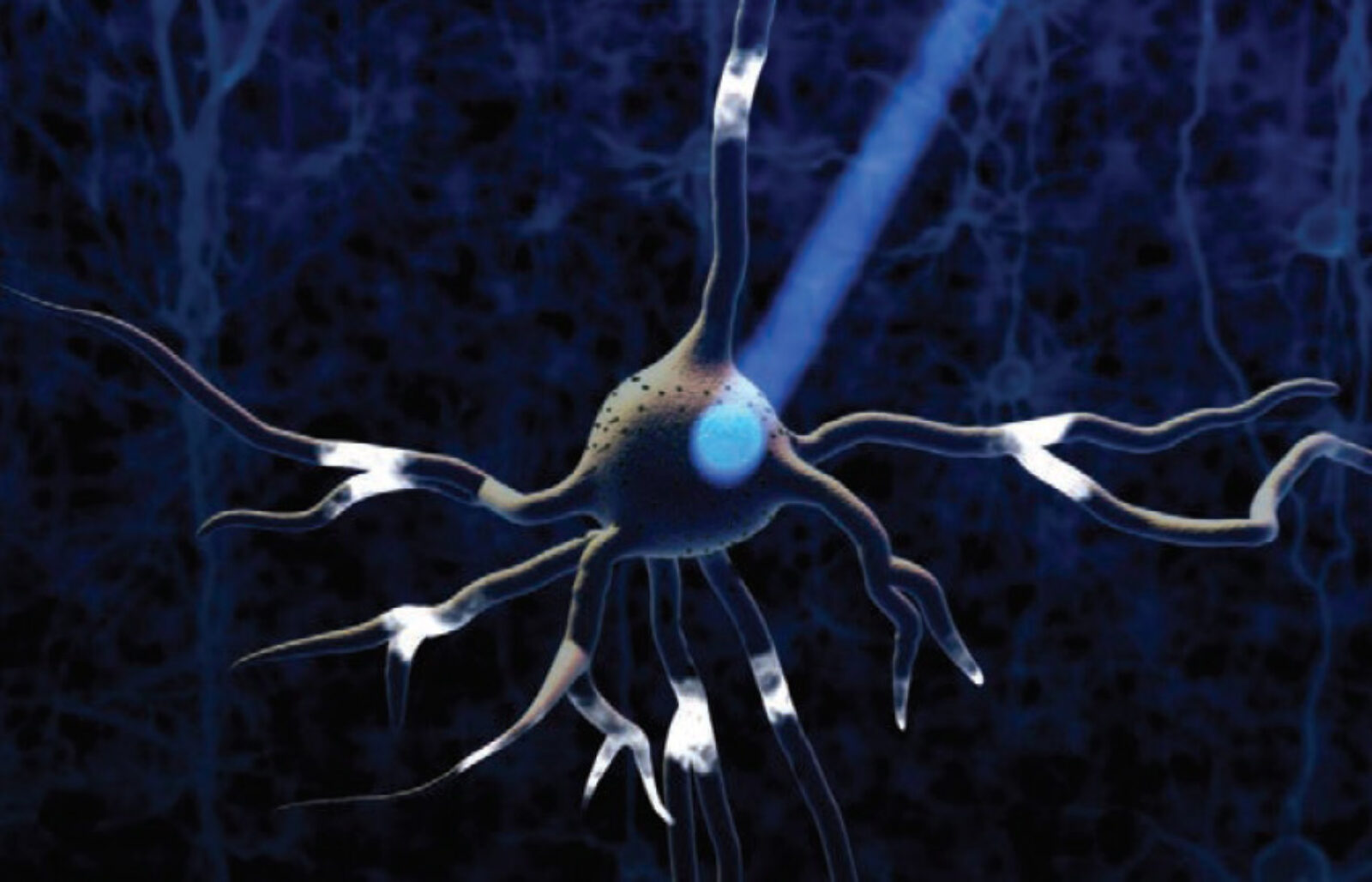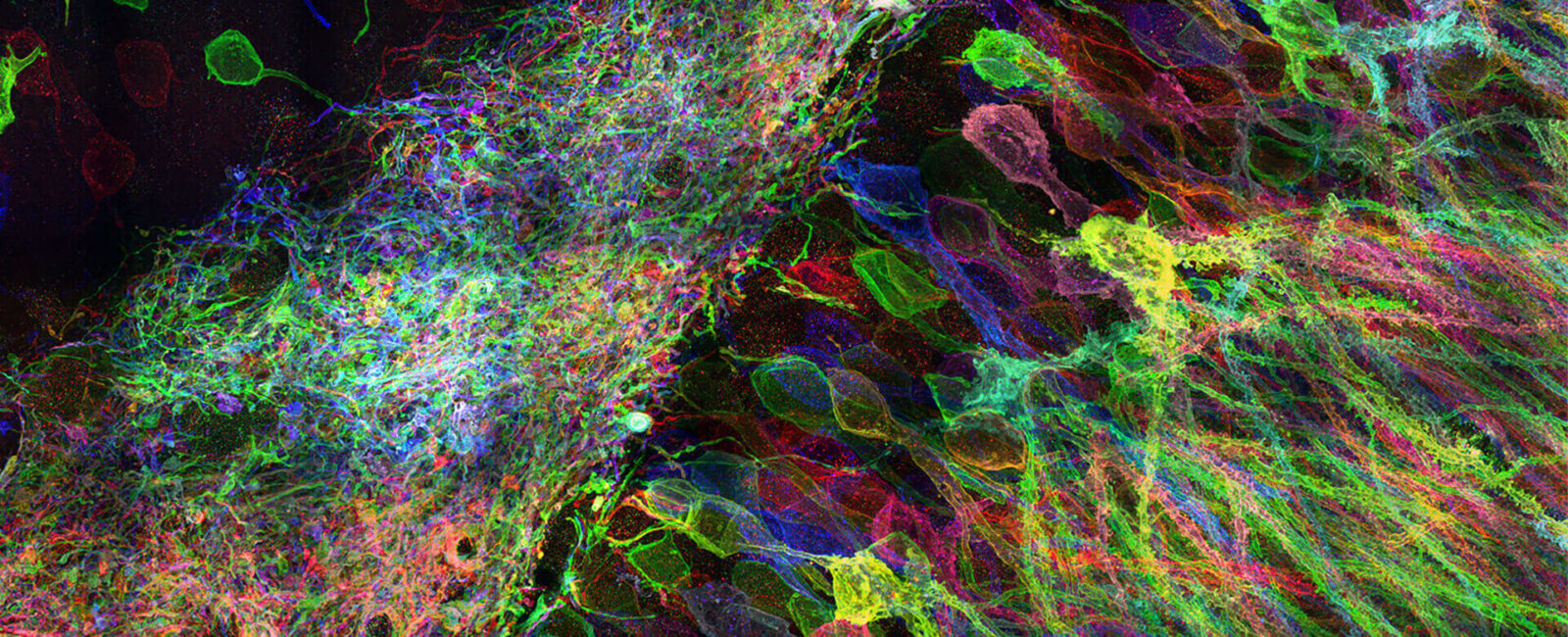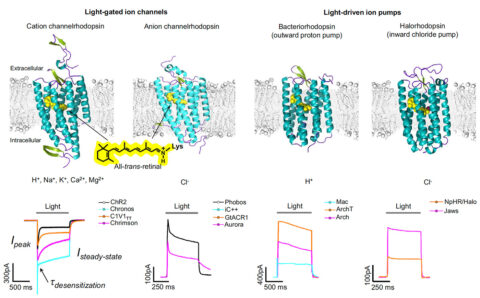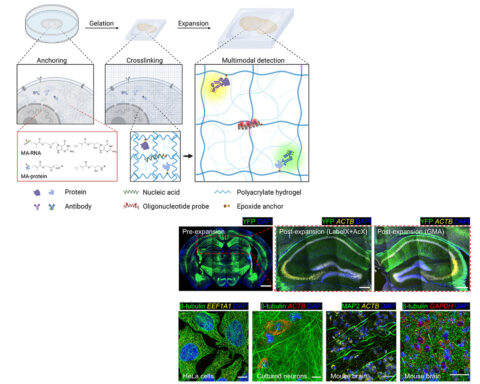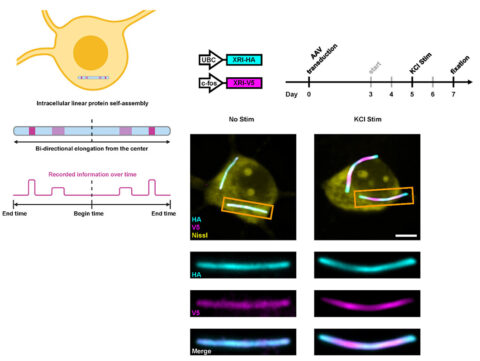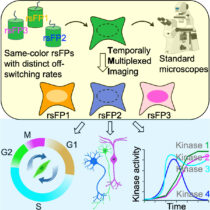
Your brain mediates everything that you sense, feel, think, and do. A challenge for humanity is to understand the brain at a level of abstraction that enables the engineering of its function -- so that it becomes possible to understand how the brain computes, and also to treat intractable brain disorders. We are inventing new tools for analyzing and engineering brain circuits. For example, we have devised, often working in interdisciplinary collaborations, 'optogenetic' tools, which enable the activation and silencing of neural circuit elements with light, 3-D microfabricated neural interfaces that enable control and readout of neural activity, and robotic methods for automatically recording intracellular neural activity and performing high-throughput single-cell analyses in the living brain. We distribute tools as freely as possible, and are using our inventions to enable systematic approaches to neuroscience, revealing how neurons work together in circuits to generate behavior, and empowering new therapeutic strategies for neurological and psychiatric disorders.
News
- Online videos from the Synthetic Neurobiology Group (including TED Talk on optogenetics)
- Top brain scientist is 'philosopher at heart' (CNN, 3/31/2013)
- A Laser Light Show for the Brain (New Yorker, 3/19/2013)
- Boyden to share the Grete Lundbeck "Brain" Prize for inventing optogenetic tools (Lundbeck Foundation, 3/11/2013)
- Suhasa Kodandaramaiah named to Forbes "30 under 30" (Forbes, 12/17/2012)
- Ed Boyden receives Harvey Prize for inventing optogenetic tools (Science, 6/23/2012)
- Tim Buschman, PhD, to start as assistant professor at Princeton (6/1/2012)
- A History of Optogenetics (Faculty of 1000, 5/3/2011)
- Want to support new neurotechnology tools and inventions? Donate to the MIT Neurotechnology Fund.